

Cars for Sale Near Me Under $5,000: What to Expect & How to Buy Smart in 2026
📋 Table of Contents
- Introduction: The Reality of the $5,000 Used Car Market
- What to Expect from Cars Under $5,000
- Top 10 Most Reliable Models Under $5,000
- Where to Find Cars Under $5,000
- Dealer vs. Private Seller: Making the Right Choice
- Essential Pre-Purchase Inspection Checklist
- Negotiation Strategies for Budget Cars
- Common Pitfalls to Avoid
- Financing and Insurance Considerations
- Your Local Solution: Sam's Auto Sales in Cranston, RI
- Frequently Asked Questions
- Final Thoughts and Next Steps
🚗 Introduction: The Reality of the $5,000 Used Car Market in 2026
In today's challenging automotive market, finding a reliable vehicle for under $5,000 might seem like searching for a needle in a haystack. However, with the right knowledge, realistic expectations, and a strategic approach, you can absolutely find a dependable car that meets your transportation needs without breaking the bank.
Whether you're a first-time buyer, a student on a tight budget, or someone who simply needs affordable transportation for your daily commute, this comprehensive guide will walk you through everything you need to know about buying cars under $5,000 in 2026. From understanding what to expect at this price point to identifying the most reliable models and avoiding common pitfalls, we've got you covered.
📊 What to Expect from Cars Under $5,000
Before diving into your search, it's crucial to set realistic expectations about what you'll find in this price range. Understanding the typical condition and characteristics of sub-$5,000 vehicles will help you make informed decisions and avoid disappointment.
Typical Characteristics You'll Encounter
Standard Features of Cars Under $5,000:
- Mileage: Most vehicles will have at least 100,000 miles or more on the odometer. Some reliable Japanese models may have 150,000-200,000 miles and still be dependable.
- Age: Expect vehicles from 2005-2012 model years (14-21 years old in 2026)
- Cosmetic Issues: Minor dents, scratches, paint fading, and interior wear are common
- Wear and Tear: Expect worn seats, some dashboard cracks, and minor interior blemishes
- Maintenance History: May have incomplete service records; thorough inspection becomes critical
- Technology: Limited or no advanced features like backup cameras, Bluetooth connectivity, or navigation systems
What Mileage Should You Expect on a Car Under $5,000?
This is one of the most common questions budget car shoppers ask. According to industry data and market research, the typical mileage range for vehicles under $5,000 is 100,000 to 180,000 miles. However, high mileage doesn't automatically mean unreliable—especially for certain makes and models known for longevity.
| Vehicle Age | Expected Mileage Range | Condition Grade | Realistic Price Range |
|---|---|---|---|
| 2005-2008 (18-21 years) | 150,000-200,000+ miles | Fair to Good | $2,500-$4,000 |
| 2009-2012 (14-17 years) | 120,000-160,000 miles | Good | $3,500-$5,000 |
| 2013-2015 (11-13 years) | 100,000-130,000 miles | Good to Very Good | $4,500-$5,000+ |
The Silver Lining: What CAN Be Good About Budget Cars
✅ Advantages of Sub-$5K Vehicles
- Low upfront cost and no monthly payments
- Minimal depreciation (already depreciated)
- Lower insurance premiums
- Cheaper registration and property taxes
- Learn basic car maintenance affordably
- Great first car for teen drivers
- Reliable transportation if chosen wisely
⚠️ Challenges to Consider
- Higher maintenance and repair costs
- Less fuel efficiency than newer models
- Limited or no warranty coverage
- Older safety features (pre-2012 models)
- May lack modern technology
- Potential for unexpected breakdowns
- Financing may be difficult to obtain
Consumer Reports shares expert insights on the best used cars under $5,000
🏆 Top 10 Most Reliable Models Under $5,000 in 2026
Not all budget cars are created equal. Some models have proven themselves over decades with exceptional reliability, affordable parts, and easy maintenance. Based on expert recommendations from Kelley Blue Book, Consumer Reports, and industry mechanics, here are the top performers in the under-$5,000 category.
1. 2007 Toyota Corolla
Why It's Great: The Toyota Corolla is legendary for its reliability. The 2007 model offers excellent fuel economy (29-31 mpg combined), simple maintenance, and parts that are both affordable and widely available.
- Expected Mileage: 120,000-160,000 miles in this price range
- Known For: Bulletproof engine, low maintenance costs, excellent resale value
- Watch Out For: Rust in northern climates, excessive oil consumption in some engines
- Average Price: $3,500-$4,800
2. 2007 Honda Civic
Available in both coupe and sedan form, the 2007 Honda Civic delivers the perfect balance of reliability, fuel efficiency (29 mpg combined), and driving enjoyment. Honda's reputation for building cars that last 200,000+ miles makes this a top choice.
- Pros: Sporty handling, comfortable interior, great aftermarket support
- Cons: High demand keeps prices near the top of the $5K range
3. 2008 Mazda3
For buyers who want reliability without sacrificing driving dynamics, the Mazda3 offers fun-to-drive character with Japanese dependability. Available in sedan and hatchback configurations.
4. 2005-2006 Honda Accord
A step up in size from the Civic, the midsize Accord provides more space, comfort, and power while maintaining Honda's stellar reliability reputation. Perfect for families needing budget-friendly transportation.
5. 2005-2007 Toyota Camry
America's best-selling sedan earned that title through decades of proven reliability. The mid-2000s Camry offers spacious comfort, smooth driving dynamics, and Toyota's trademark durability.
6. 2007 Subaru Outback
Best Budget AWD Option: If you need all-wheel drive for winter weather or rural roads, the Subaru Outback is your best bet under $5,000. Available in both sedan and wagon body styles.
- Unique Advantage: Standard AWD in all models
- Watch For: Head gasket issues in older models, oil leaks
7. 2010 Kia Soul
A more modern option with quirky styling and surprising practicality. The boxy design maximizes interior space and cargo room. Look for the Soul+ or Soul! (Exclaim) trims for better features.
8. 2008 Chevrolet Malibu
An excellent American alternative offering midsize comfort at small-car prices. The 2008 redesign brought improved quality and reliability to the Malibu nameplate.
9. 2009 Nissan Sentra
Nissan's compact sedan offers good fuel economy (up to 34 mpg highway in FE trim) and spacious accommodations. The sportier SE-R and SE-R Spec V variants add excitement for driving enthusiasts.
10. 2012 Chevrolet Sonic
The Newest Option: One of the few 2012+ models available under $5,000. The turbocharged engine option delivers peppy performance and up to 40 mpg highway.
Detailed breakdown of the best affordable cars for first-time buyers
🔍 Where to Find Cars Under $5,000
Local Sources
Independent Used Car Dealerships
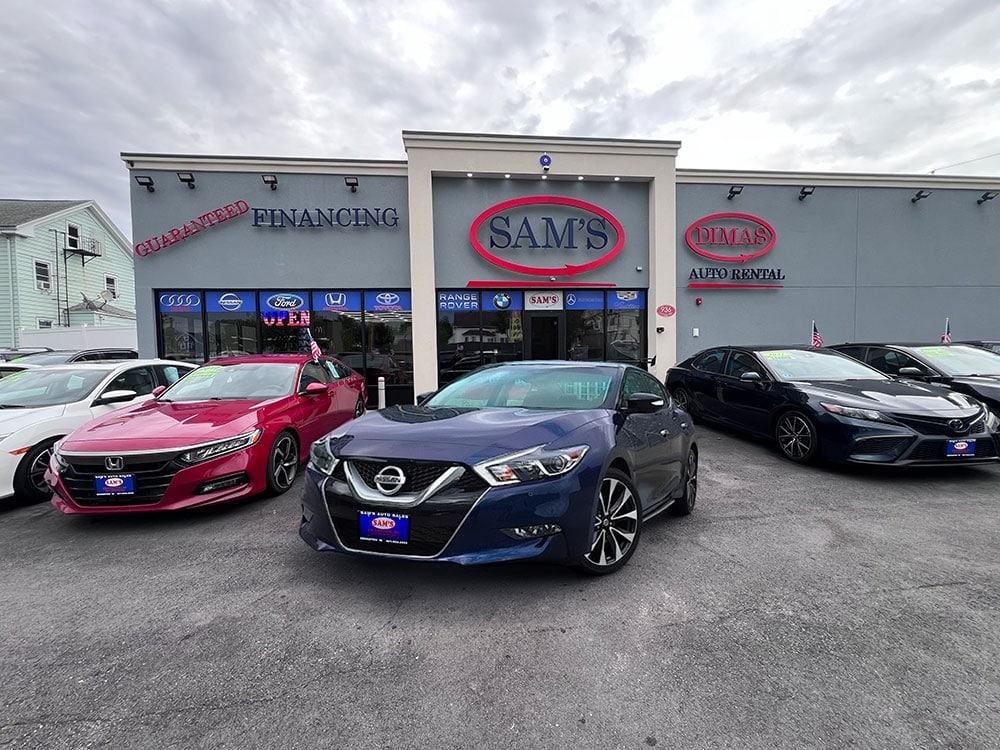
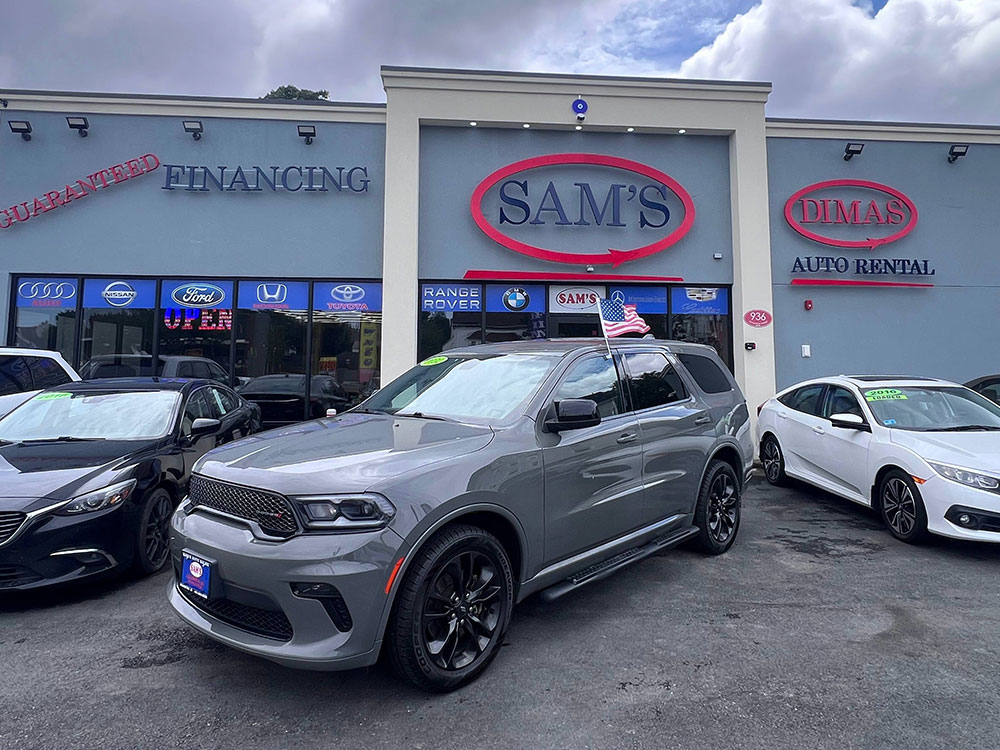
Small, local dealers like Sam's Auto Sales in Cranston, RI often have better selection and pricing than national chains at this price point. Benefits include:
- Personal service and local reputation to maintain
- Flexible financing options for buyers with challenged credit
- Some warranty or limited guarantee coverage
- Professional inspections before sale
- Trade-in acceptance
Auto Auctions
- Public Auctions: Can find deals but cars are usually sold "as-is"
- Risk Level: High—minimal inspection opportunity
- Best For: Experienced buyers who can quickly assess condition
Word of Mouth & Community Boards
- Church bulletins, community centers, workplace postings
- Often from known sellers with complete vehicle history
- Best deals but smallest selection
| Source | Selection | Price Range | Buyer Protection | Best For |
|---|---|---|---|---|
| Facebook Marketplace | ⭐⭐⭐⭐⭐ | $$$ | ⭐ | Savvy negotiators |
| Local Dealerships | ⭐⭐⭐ | $$$$ | ⭐⭐⭐⭐ | Peace of mind buyers |
| Craigslist | ⭐⭐⭐⭐ | $$$ | ⭐ | Private party deals |
| Autotrader/Cars.com | ⭐⭐⭐⭐ | $$$$ | ⭐⭐⭐ | Research & comparison |
| Auto Auctions | ⭐⭐⭐⭐ | $$ | ⭐ | Experienced buyers only |
Step-by-step guide to finding and buying cars on Facebook Marketplace
🤝 Dealer vs. Private Seller: Making the Right Choice
One of the biggest decisions you'll face is whether to buy from a dealership or a private seller. Each has distinct advantages and disadvantages, especially at the sub-$5,000 price point.
Buying from a Private Seller
✅ Private Seller Advantages
- Lower Prices: 15-25% cheaper than dealerships (no overhead markup)
- Complete History: Can ask original owner detailed questions
- Service Records: Often have maintenance receipts and documentation
- Negotiation Flexibility: More room to negotiate final price
- One-Owner Possibility: Better chance of finding well-maintained vehicles
- No Dealer Fees: Avoid documentation and preparation charges
⚠️ Private Seller Disadvantages
- No Warranty: Zero protection after sale (as-is sales)
- Limited Legal Recourse: Difficult to resolve disputes
- Safety Concerns: Meeting strangers with cash
- Title Issues: Must handle DMV paperwork yourself
- No Financing: Cash payment typically required
- Hidden Problems: Seller may not disclose all issues
- Time Investment: Must arrange inspections, test drives, paperwork
Buying from a Dealership
✅ Dealership Advantages
- Some Protection: Limited warranties or guarantees often available
- Financing Options: In-house or third-party financing for qualified buyers
- Professional Inspections: Vehicles typically serviced before sale
- Trade-In Acceptance: Can apply your old car toward purchase
- Convenience: One-stop shopping with paperwork assistance
- Accountability: Business reputation and reviews provide oversight
- Multiple Options: Can compare several vehicles at once
⚠️ Dealership Disadvantages
- Higher Prices: Markup to cover overhead and profit
- Additional Fees: Documentation, preparation, and dealer fees ($200-$500)
- Less Negotiation Room: Firmer pricing in budget segment
- Sales Pressure: May feel rushed or pressured to decide
- "As-Is" Common: Many sub-$5K cars sold without warranty
- Unknown History: Dealers may not have complete vehicle history
The Verdict: Which Should You Choose?
Choose a PRIVATE SELLER if:
- You have cash available and don't need financing
- You're comfortable negotiating and handling paperwork
- You have a trusted mechanic for pre-purchase inspection
- You're patient and can wait for the right deal
- You want the absolute lowest price possible
Choose a DEALERSHIP if:
- You need financing options or have challenged credit
- You want convenience and professional assistance
- You prefer some level of warranty or guarantee
- You have a trade-in vehicle
- You value accountability and business reputation
- You want to see multiple vehicles in one location
🔧 Essential Pre-Purchase Inspection Checklist
A thorough inspection is your most important defense against buying a lemon. Whether you're mechanically inclined or a complete novice, this checklist will help you identify potential problems before money changes hands.
Visual Exterior Inspection
Body Condition
- Panel Alignment: Check for even gaps between body panels. Misalignment suggests accident damage.
- Paint Quality: Look for mismatched colors, overspray, or fresh paint (accident repair indicator)
- Rust: Inspect wheel wells, rocker panels, door bottoms, and trunk. Surface rust is manageable; structural rust is a deal-breaker.
- Frame Damage: Look under the car for bent or welded frame rails (serious accident history)
- Dents & Scratches: Document cosmetic damage for negotiation leverage
Glass & Lights
- Check all windows for cracks or chips
- Windshield cracks longer than 6 inches require replacement ($200-$400)
- Test all exterior lights: headlights, brake lights, turn signals, reverse lights
- Foggy headlights reduce visibility and cost $50-$200 to restore
Tires
- Check tread depth with penny test (Lincoln's head should be partially covered)
- Look for uneven wear (alignment issues, suspension problems)
- Check tire age on sidewall (replace if over 6 years old regardless of tread)
- Budget $400-$600 for four new tires if needed
Interior Inspection
Cabin Condition
- Sniff for musty smells (water leaks, mold, flood damage)
- Check carpet for dampness or water stains
- Test all seats for adjustments and condition
- Inspect headliner for sagging or staining
- Look for dashboard cracks and sun damage
Electronics & Features
- Test all power windows, locks, and mirrors
- Check air conditioning and heating (A/C repairs: $500-$1,500)
- Verify radio, speakers, and aux/USB ports work
- Test windshield wipers and washer fluid system
- Check all interior lights and gauges
Under the Hood Inspection
Engine Bay Checks
- Oil Level & Condition: Pull dipstick—oil should be amber/brown, not black or milky
- Oil Leaks: Look for wet spots under car and on engine block
- Coolant Level: Should be full and bright green/pink, not rusty brown
- Hoses & Belts: Check for cracks, brittleness, or excessive wear
- Battery Condition: Look for corrosion on terminals; check manufacture date
- Fluid Leaks: Check transmission fluid, brake fluid, power steering fluid
- Cleanliness: Suspiciously clean engine bay may hide leaks (recently steam cleaned)
Test Drive Evaluation
Cold Start Test
The most important test. Start the car from completely cold:
- Engine should start quickly without excessive cranking
- Listen for knocking, ticking, or rattling noises
- Watch for blue smoke (burning oil) or white smoke (coolant leak)
- Check for excessive vibration or rough idle
Driving Performance
- Acceleration: Engine should respond smoothly without hesitation
- Braking: Should stop straight without pulling or vibration (warped rotors)
- Steering: No excessive play; should track straight on flat road
- Transmission: Smooth shifts in all gears; no slipping or hard shifts
- Suspension: Should absorb bumps quietly without clunking
- Noise: Listen for grinding, clunking, squealing, or rattling
Highway Test (Essential)
- Get the car up to highway speeds (60+ mph)
- Feel for vibration or shaking (tire balance, alignment issues)
- Test acceleration from various speeds
- Check engine temperature gauge stays normal
- Listen for wind noise or unusual sounds at speed
Professional Mechanic Inspection
For $100-$150, a qualified mechanic will provide:
- Compression test (engine health indicator)
- Lift inspection (underneath examination for leaks, rust, damage)
- Computer diagnostic scan for error codes
- Brake system evaluation (pads, rotors, calipers)
- Suspension and steering component check
- Estimate of needed repairs with costs
Comprehensive video guide on inspecting used cars before purchase
💰 Negotiation Strategies for Budget Cars
Even at the $5,000 price point, there's almost always room for negotiation. Armed with inspection findings and market research, you can confidently negotiate a fair price.
Research-Based Negotiation
Before You Negotiate
- Check similar listings on multiple platforms to establish market value
- Get a vehicle history report to identify accidents, ownership, service records
- Identify specific issues found during inspection (leverage points)
- Set your maximum budget and stick to it
- Have financing or cash ready to close the deal quickly
Effective Negotiation Tactics
1. Start with a Lower Offer
Begin 15-20% below asking price if the car has issues you've documented. For a $4,500 asking price, start at $3,600-$3,800. This leaves room for negotiation while not insulting the seller.
2. Use Inspection Findings as Leverage
"The mechanic found the car needs new brakes ($300) and has an oil leak ($200). I'm interested, but I need to factor in these immediate repairs. Would you consider $4,000 out-the-door?"
3. Know When to Walk Away
The most powerful negotiation tool is your willingness to leave. If the seller won't meet your reasonable offer, politely thank them and go. Many will call back within 24-48 hours with a better offer.
What to Negotiate
| Item | Typical Cost | Negotiation Leverage |
|---|---|---|
| New Tires Needed | $400-$600 | High - Immediate necessity |
| Brake Replacement | $300-$500 | High - Safety issue |
| Cosmetic Damage | $200-$800 | Medium - Reduces resale value |
| Minor Oil Leak | $150-$400 | Medium - Maintenance concern |
| Check Engine Light | $100-$1,500+ | High - Unknown repair cost |
| A/C Not Working | $500-$1,500 | High - Expensive comfort feature |
Dealership-Specific Negotiation
- Dealer Fees: These are often negotiable. Ask for documentation/prep fees to be reduced or waived.
- Out-the-Door Price: Always negotiate the final price including taxes, fees, and registration.
- Trade-In Value: Negotiate separately from your purchase. Know your trade-in's value beforehand.
- Extended Warranty: Usually not cost-effective for sub-$5K vehicles, but can negotiate if offered.
- End of Month: Dealers trying to meet sales quotas are more flexible during the last week of the month.
⚠️ Common Pitfalls to Avoid
Budget car shopping is full of potential traps for the unwary. Here are the most common mistakes buyers make—and how to avoid them.
1. Buying Without a Pre-Purchase Inspection
The Cost: $1,000-$3,000+ in unexpected repairs discovered after purchase.
The Solution: Always pay $100-$150 for mechanic inspection. Any seller who refuses is hiding problems.
2. Ignoring the Vehicle History Report
The Cost: Buying a salvage title car worth 50% less than claimed, or a flood-damaged vehicle.
The Solution: Run the VIN through Carfax and NMVTIS (National Motor Vehicle Title Information System).
3. Emotional Buying
The Result: Overpaying for a vehicle with significant mechanical issues.
The Solution: Stick to your checklist. There are thousands of cars available—walk away from problems.
4. Focusing Only on Appearance
Reality: A detailed car with worn seats may be far more reliable than a showroom-clean car with engine problems.
The Solution: Prioritize mechanical soundness over cosmetics at this price point.
5. Buying a Car You Can't Afford to Maintain
The Reality: European luxury cars under $5K have expensive parts and complex repairs (oil change: $150+, brakes: $800+).
The Solution: Stick to mainstream brands with affordable parts (Honda, Toyota, Ford, Chevrolet).
6. Skipping the Test Drive
Missing: Transmission problems, engine noise, brake issues, alignment problems—$1,000+ in repairs.
The Solution: Always test drive for at least 20 minutes, including highway speeds and various road conditions.
7. Bringing Money to the First Meeting
The Problem: Clouds judgment and prevents proper due diligence.
The Solution: First visit is for inspection only. Return with payment after mechanic approval.
8. Trusting "Just Needs..." Claims
- "Just needs a new battery" (but why didn't seller spend $100 to fix it?)
- "Just needs a tune-up" (vague excuse for running problems)
- "Just needs minor work" (always more expensive than claimed)
- "Just needs [anything]" (if it's so simple, why didn't they fix it?)
9. Buying a Rare or Orphan Brand
The Problem: Parts are scarce and expensive; fewer mechanics willing to work on them.
The Solution: Stick to mainstream brands with active dealer networks and plentiful parts availability.
10. Ignoring "Flood" or "Salvage" Titles
The Reality: Flood cars develop electrical issues, rust, and mold over time. Salvage titles indicate severe accident damage.
The Value Loss: These cars are worth 50% less than clean title vehicles.
The Solution: Verify clean title with DMV before purchase. Walk away from branded titles unless you're an experienced mechanic buying at salvage pricing.
💳 Financing and Insurance Considerations
While many budget car purchases are cash transactions, financing options exist for buyers who need them. Additionally, insurance costs are an important part of total ownership expenses.
Financing Options for Cars Under $5,000
The Financing Challenge
Most traditional banks and credit unions have minimum loan amounts of $7,500-$10,000, making sub-$5,000 financing difficult. However, options exist:
1. Buy Here Pay Here (BHPH) Dealerships
- How It Works: Dealer provides in-house financing, you make payments directly to them
- Pros: Bad credit acceptable, quick approval, no bank involvement
- Cons: Higher interest rates (15-25%+), GPS tracking devices common, repossession risk
- Best For: Buyers with challenged credit who need immediate transportation
Reputable BHPH dealers like Sam's Auto Sales work with customers of all credit levels and offer transparent terms with flexible payment options.
2. Credit Union Auto Loans
- Minimum Loans: Some credit unions offer loans as low as $5,000
- Rates: 5-12% APR depending on credit score
- Requirements: Credit union membership, decent credit (620+)
3. Personal Loans
- Source: Banks, credit unions, online lenders
- Rates: 7-20% APR depending on credit
- Advantage: Can be used for any vehicle, not just dealers
- Disadvantage: Usually unsecured (higher rates than auto loans)
4. Peer-to-Peer Lending
- Platforms: LendingClub, Prosper, Upstart
- Advantage: Flexible approval criteria
- Consider: Fees and rates vary widely based on creditworthiness
Is $5,000 Enough to Get a Car?
Short Answer: Yes. While $5,000 is below the average used car price ($30,000+ in 2026), it's absolutely sufficient for reliable transportation if you shop wisely. You'll be looking at 2005-2012 vehicles with 100,000+ miles, but many of these cars have decades of dependable service left if properly maintained.
Financial Reality Check
Budget Breakdown for a $5,000 Vehicle:
- Purchase Price: $4,500 (negotiate down from asking)
- Pre-Purchase Inspection: $150
- Immediate Repairs/Maintenance: $350
- Total Cash Needed: ~$5,000
Additional First-Month Costs:
- Title, Registration, Taxes: $200-$500
- Insurance: $80-$200/month
- Fuel: $100-$200/month
Insurance Considerations
The Good News About Budget Car Insurance
Older vehicles are significantly cheaper to insure than newer ones:
- Liability Only: Most affordable option ($50-$100/month) if car is paid off
- No Full Coverage Required: Since the car is worth less than $5K, comprehensive/collision coverage isn't cost-effective
- Lower Premiums: Theft and replacement costs are minimal compared to newer vehicles
What Affects Your Insurance Rate
- Age and driving record
- Location (urban vs. rural)
- Coverage type selected
- Deductible amount
- Vehicle safety ratings and theft statistics
🏪 Your Local Solution: Sam's Auto Sales in Cranston, RI
When you're shopping for budget-friendly vehicles in Rhode Island and surrounding New England states, having a trusted local dealership makes all the difference. Sam's Auto Sales has been serving the Cranston and greater Rhode Island community for over 20 years with a reputation built on honest dealings, quality vehicles, and customer-first service.
Why Choose Sam's Auto Sales?
✅ Family-Owned & Community-Focused
Unlike impersonal big-box dealers, Sam's Auto treats every customer like family. With over two decades serving New England, their reputation is everything—and it shows in their 4.9-star rating from 1,200+ reviews.
✅ Flexible Financing for All Credit Types
Bad credit? No credit? No problem. Sam's Auto specializes in helping buyers with challenged credit get behind the wheel. Their Buy Here Pay Here program offers fast approvals, simple terms, and payments you can actually afford.
✅ Quality-Checked Inventory
Every vehicle goes through professional inspection before hitting the lot. While they carry vehicles across various price points (many starting around $8,995), their team can help you find budget-friendly options and explain the true costs of ownership.
✅ Full-Service Auto Care
Sam's isn't just a dealership—they're a complete auto care center. From RI State Inspections to repairs and maintenance, their expert technicians keep your vehicle running smoothly long after purchase.
✅ Bilingual Support
With English and Spanish-speaking staff, Sam's Auto ensures every customer feels comfortable and understood throughout the buying process.
📍 Visit Us Today:
Sam's Auto Sales
936 Cranston Street
Cranston, RI 02920
📞 Phone: (401) 942-3333
🕒 Hours:
Monday-Friday: 8:30 AM – 5:00 PM
Saturday: 8:30 AM – 4:00 PM
Sunday: Closed
Serving Rhode Island & Beyond
Sam's Auto Sales proudly serves customers throughout:
- Cranston - Our home base with convenient access
- Providence - Easy commute for city residents
- Warwick - Quick drive via Route 95
- Johnston - Serving the northwest suburbs
- Pawtucket - Northern Rhode Island coverage
- East Providence - Accessible from eastern neighborhoods
- All of New England - Worth the drive for honest service
❓ Frequently Asked Questions (FAQs)
The 2007 Toyota Corolla and 2007 Honda Civic consistently rank as the most reliable options. Both offer bulletproof reliability, excellent fuel economy (29-31 mpg combined), affordable parts, and proven longevity exceeding 200,000 miles when properly maintained. The 2005-2007 Toyota Camry and Honda Accord are excellent midsize alternatives with more interior space.
Expect at least 100,000 miles, with many vehicles showing 120,000-180,000 miles. High mileage isn't necessarily a deal-breaker if the vehicle has been well-maintained. A 15-year-old car with 150,000 miles (10,000 miles/year) driven gently may be more reliable than a 10-year-old car with the same mileage driven hard. Focus on maintenance history, not just odometer reading.
Yes, if you shop strategically. While below the current used car average ($30,000+), $5,000 can absolutely buy reliable transportation. You'll be looking at 2005-2012 models with higher mileage, but many of these vehicles offer years of dependable service. The key is choosing proven reliable models (Toyota, Honda, Mazda) and getting thorough pre-purchase inspections.
Yes, with proper precautions. Private sales can offer better prices (15-25% less than dealers) and complete vehicle history from the original owner. Safety measures: (1) Meet in public places or police station parking lots, (2) Bring a friend, (3) Get pre-purchase inspection by your mechanic, (4) Verify clean title with DMV, (5) Run vehicle history report, (6) Never wire money or use gift cards, (7) Trust your instincts—if something feels wrong, walk away.
It depends on your priorities:
Choose a PRIVATE SELLER if: You want the lowest price, have cash available, are comfortable handling paperwork, and don't need financing.
Choose a DEALERSHIP if: You need financing options (especially with challenged credit), want convenience and some level of accountability, have a trade-in vehicle, or prefer professional assistance with paperwork. Reputable local dealers like Sam's Auto Sales offer financing for all credit types and stand behind their vehicles.
Yes, but options are limited. Most traditional banks require minimum loans of $7,500-$10,000. Your best options: (1) Buy Here Pay Here dealerships (accept bad credit, offer in-house financing), (2) Credit unions (some offer loans as low as $5K), (3) Personal loans from banks or online lenders, (4) Peer-to-peer lending platforms. Expect higher interest rates (10-25%) for small-amount used car loans.
Walk away immediately if you see:
- Seller refuses pre-purchase inspection - Always hiding problems
- Salvage or flood title - Worth 50% less, ongoing electrical/rust issues
- Heavy smoke from exhaust - Blue = oil burning, White = coolant leak (expensive)
- Rough idle or check engine light - Potentially costly repairs
- Frame damage or serious rust - Structural integrity compromised
- Mismatched paint/body panels - Poor accident repair
- "Just needs..." excuses - If so simple, why didn't seller fix it?
- Pressure tactics - "Another buyer coming today" = manipulation
Budget $500-$1,500 annually for maintenance and unexpected repairs on a sub-$5K vehicle. Set aside an emergency fund equal to 20-30% of the purchase price ($1,000-$1,500 for a $5,000 car) for major repairs. Common expenses include: tires ($400-$600), brakes ($300-$500), battery ($150), alternator ($300-$500), and various fluid/filter services. Regular maintenance prevents costlier breakdowns.
Top sources ranked:
- Facebook Marketplace - Largest selection, competitive pricing, seller profiles
- Local independent dealerships - Financing options, some warranty protection
- Craigslist - Large inventory, private sellers, negotiation room
- Autotrader & Cars.com - Professional listings, research tools
- CarGurus - "Good Deal" vs "Overpriced" rating system
- Word of mouth - Church, workplace, community boards (best deals, smallest selection)
No, liability-only insurance is usually sufficient. Since comprehensive and collision coverage would cost $500-$1,000+ annually for a vehicle worth under $5,000, it's not financially wise. If you total the car, insurance would only pay actual cash value minus your deductible ($500-$1,000), meaning you'd receive very little payout. Save money with liability-only coverage ($50-$100/month) and put the savings toward a replacement fund.
🎯 Final Thoughts and Next Steps
Buying a reliable car for under $5,000 in 2026 is challenging but absolutely achievable with the right approach. While you won't be driving off in a showroom-fresh vehicle, you can find dependable transportation that serves you well for years to come—without the burden of monthly car payments.
Your Action Plan
Step 1: Set Realistic Expectations
- Accept that you'll be buying an older vehicle (2005-2012) with over 100,000 miles
- Budget an extra $500-$1,500 for immediate repairs and maintenance
- Focus on mechanical soundness over cosmetic perfection
- Prioritize proven reliable brands: Toyota, Honda, Mazda, Ford
Step 2: Do Your Research
- Browse multiple marketplaces: Facebook, Craigslist, Autotrader, local dealers
- Compare prices across 10-15 similar listings to establish market value
- Read reviews and reliability ratings for your target models
- Understand common problems for specific year/make/model combinations
Step 3: Inspect Thoroughly
- Use our comprehensive inspection checklist during viewing
- Take detailed photos and notes of any issues found
- Perform cold start test and thorough test drive (20+ minutes, highway speeds)
- Always get pre-purchase inspection by independent mechanic ($100-$150)
- Run vehicle history report (Carfax/AutoCheck) for every serious prospect
Step 4: Negotiate Confidently
- Start 15-20% below asking price if issues were found
- Use inspection findings as negotiation leverage
- Be willing to walk away if seller won't meet reasonable offer
- Get everything in writing: agreed price, condition disclosure, bill of sale
Step 5: Complete the Purchase Properly
- Verify clean title before exchanging money
- Get signed bill of sale with VIN, mileage, price, "as-is" notation
- Transfer title at DMV within required timeframe (varies by state)
- Obtain insurance before driving the vehicle (required by law)
- Keep all paperwork organized: title, bill of sale, inspection reports, maintenance records
The Bottom Line
Yes, you can find a reliable car for under $5,000 in 2026. It requires patience, diligence, and realistic expectations—but thousands of buyers successfully do it every month. The key is avoiding emotional decisions, prioritizing mechanical soundness, and never skipping the pre-purchase inspection.
The vehicles are out there. Armed with the knowledge from this guide, you're now prepared to identify them, evaluate them properly, negotiate confidently, and make a purchase you'll be happy with for years to come.
Ready to Start Your Search?
Visit Sam's Auto Sales in Cranston, RI
Let our experienced team help you find quality transportation that fits your budget and lifestyle. With over 20 years of serving Rhode Island families, flexible financing for all credit types, and a commitment to honest, transparent service, we're here to make your car-buying experience positive.
📍 936 Cranston Street, Cranston, RI 02920
📞 (401) 942-3333
Good Luck with Your Search!
Remember: the perfect budget car is out there waiting for you. Stay patient, stay thorough, and trust the process. Happy car hunting!
🚗💨 Drive safe and smart!
Disclaimer: This guide provides general information for educational purposes. Vehicle prices, availability, and conditions vary by market and change constantly. Always verify current information, conduct thorough inspections, and consult with professionals before making purchasing decisions. Sam's Auto Sales is mentioned as a local option; we encourage you to research and compare multiple dealers in your area.